
Acquarossa: the archaic Etruscan city on the edge of Viterbo
Houses, streets and architectural decorations have made Acquarossa a key site for understanding how the Etruscans lived, not only how they buried their dead.
Read more →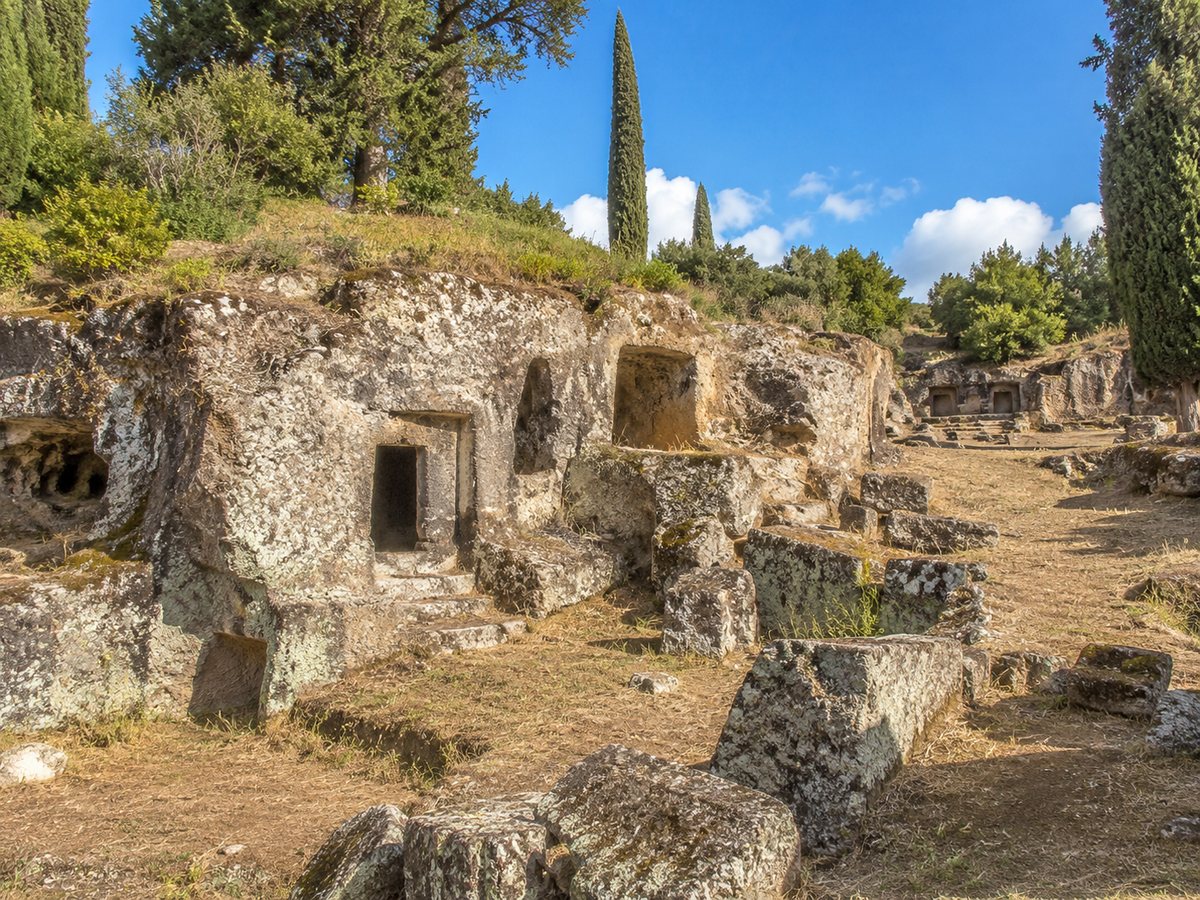
Blera: Grotta Pinta, il Terrone and the monumental tombs in the tuff
Away from Blera's better-known trails lie rock-cut burial grounds with monumental facades and tombs that mimic domestic architecture.
Read more →
Blera: Pian del Vescovo and the rock-cut necropolises along the Via Clodia
Tombs cut into the tuff, ancient bridges and ravines around Blera, one of the most extensive archaeological landscapes of inland southern Etruria.
Read more →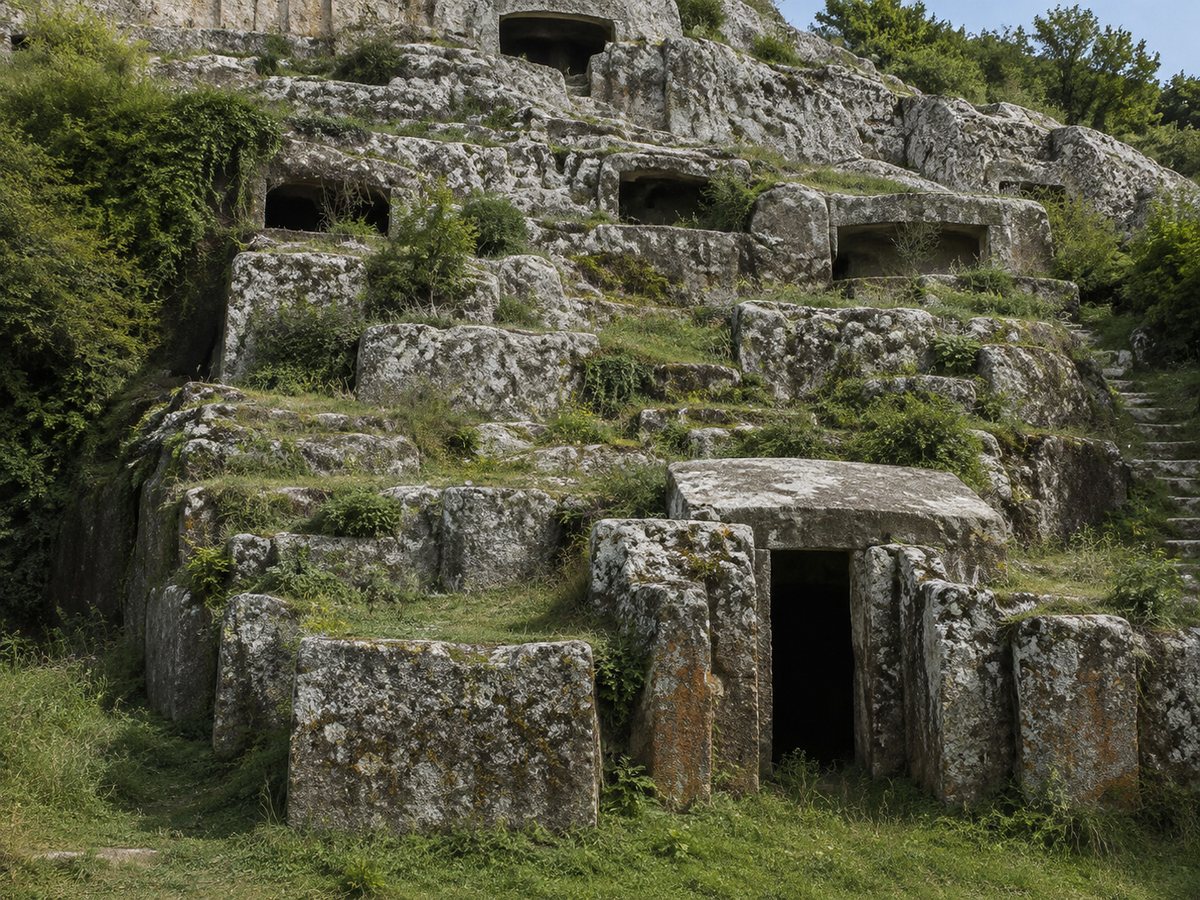
Etruscan Castro: the Necropolis of the Chariot and its princely tombs
Before the Farnese Renaissance city, Castro was an Etruscan settlement in the Vulci hinterland: its tombs have yielded a famous chariot and rich aristocratic grave goods.
Read more →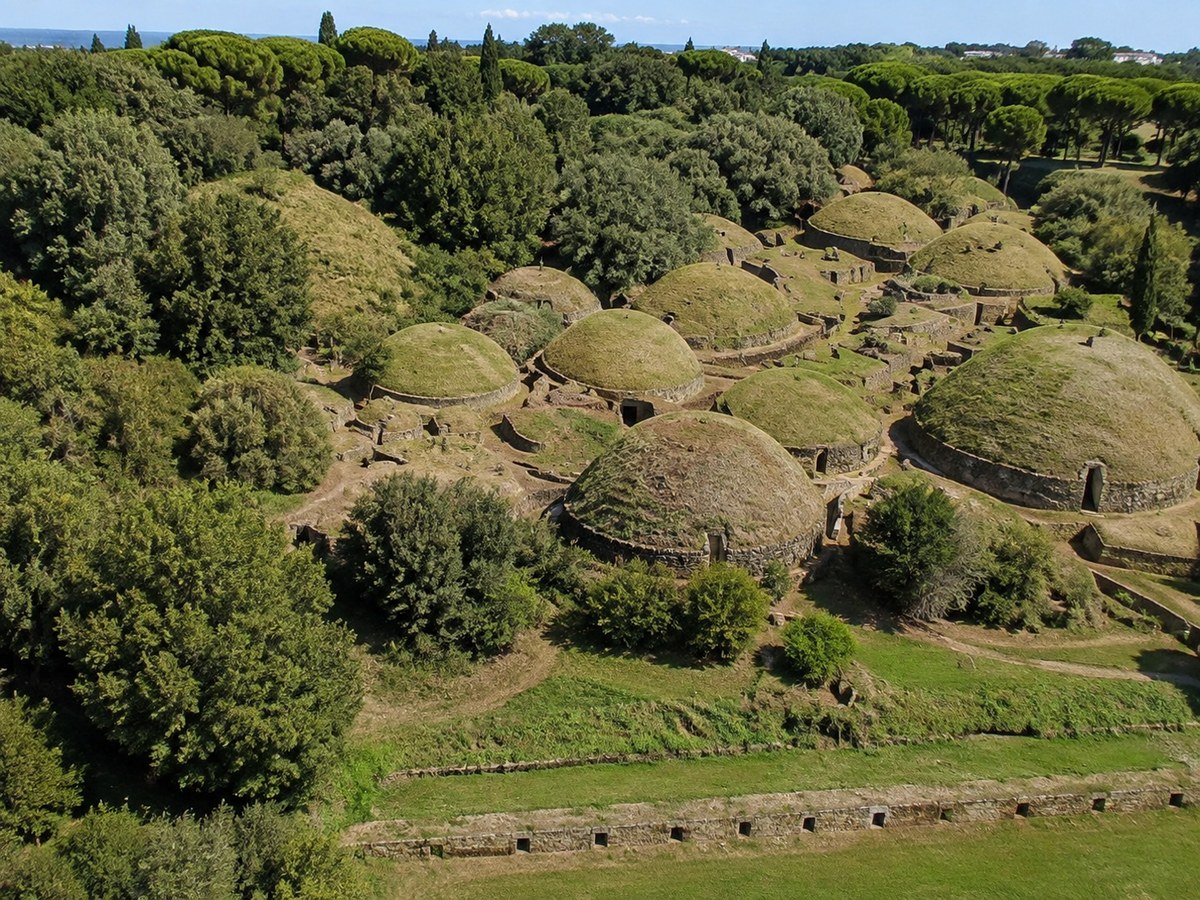
Cerveteri: the Banditaccia necropolis, a city built for the dead
Streets, small squares, tumuli and tombs cut into the tuff: the great necropolis of ancient Caere is one of the essential places to understand the Etruscans.
Read more →
Ferento: from Etruscan city to grand Roman theatre
A plateau near Viterbo tells the story of the shift from Etruria to Roman rule, with necropolises, ancient roads and one of Tuscia's most important Roman theatres.
Read more →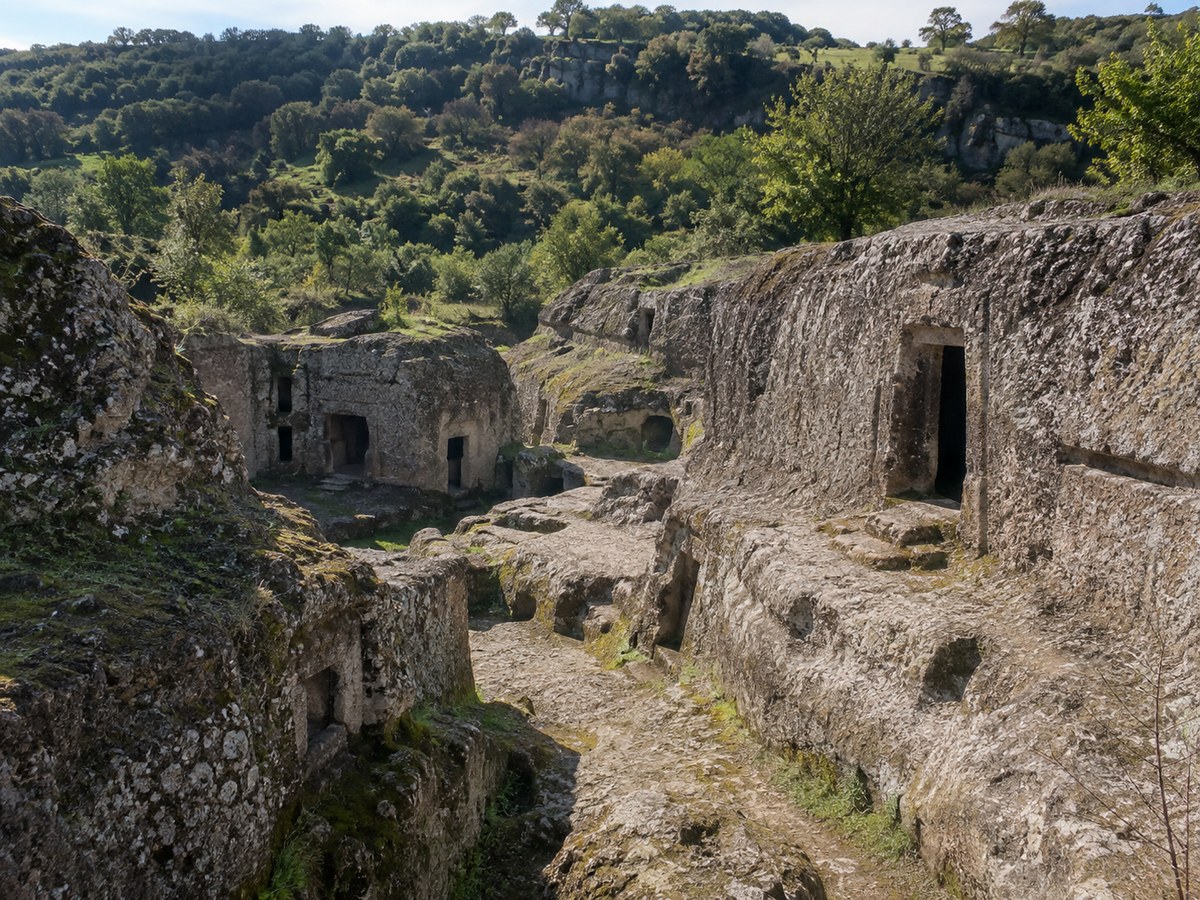
Barbarano Romano: the San Giuliano necropolis, tombs and roads cut into the tuff
One of the richest rock-cut necropolises in Tuscia, set within the Marturanum park among tumuli, cube tombs and monuments carved into the rock.
Read more →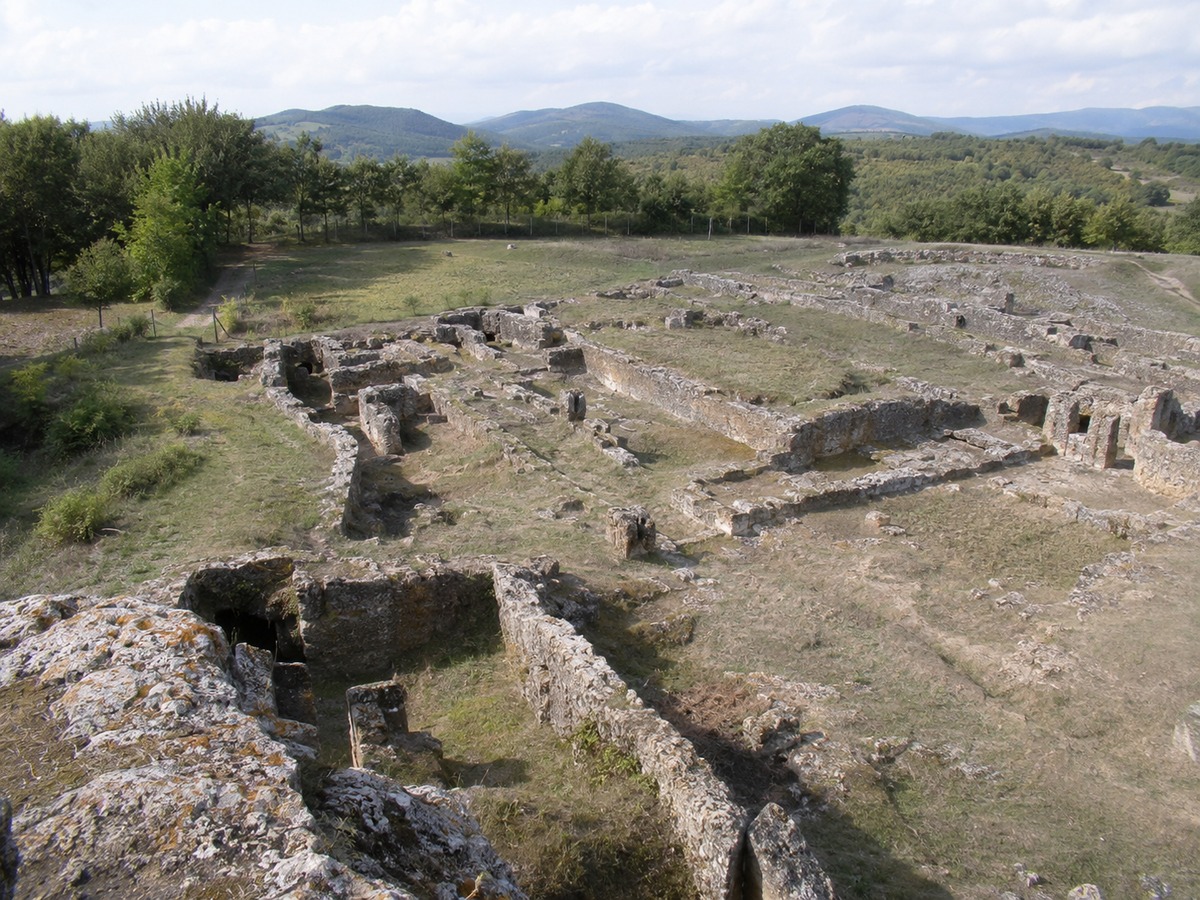
San Giovenale: the Etruscan settlement excavated by Swedish archaeologists
A fortified plateau between deep gorges preserves houses, walls and necropolises studied during the famous Swedish excavation campaigns of the 20th century.
Read more →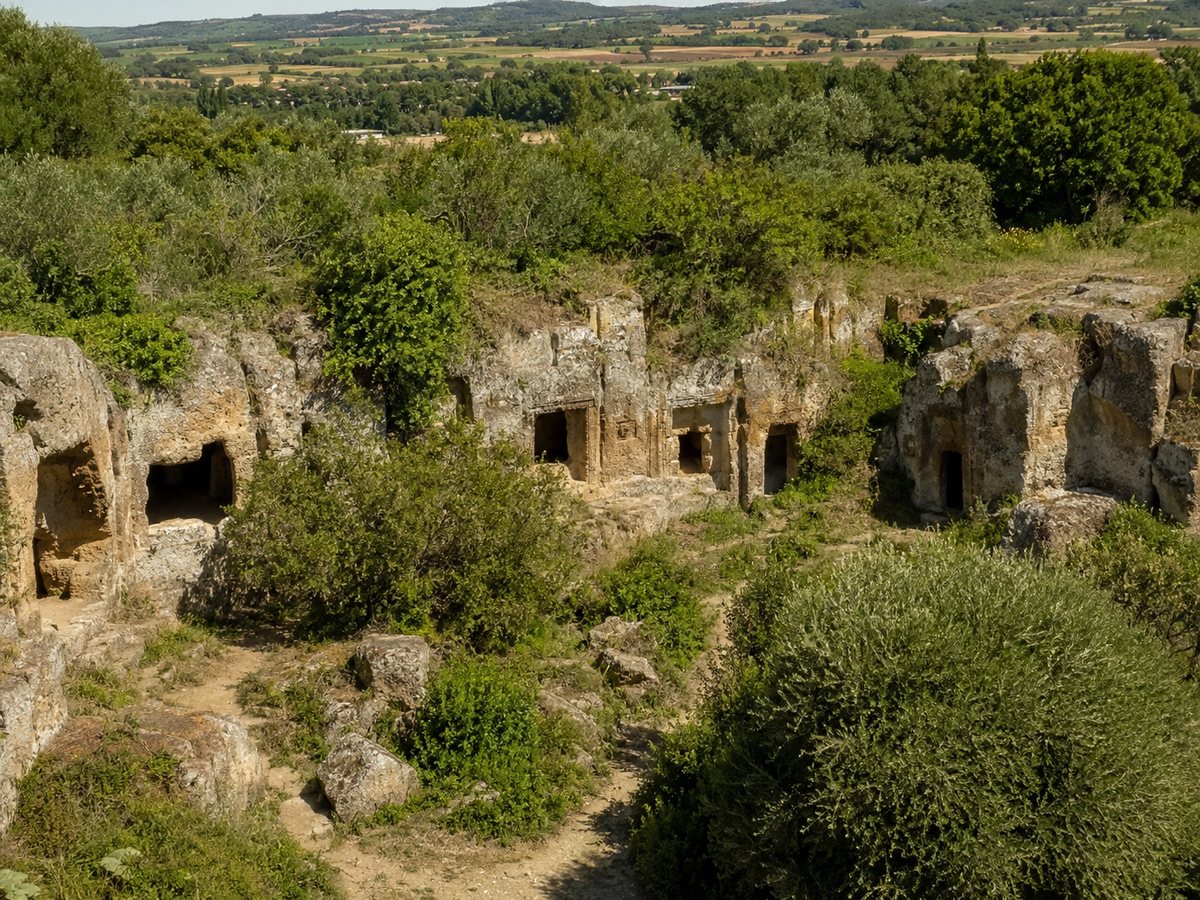
Etruscan Tuscania: Madonna dell'Olivo, Grotta della Regina and the Peschiera necropolis
The tombs of ancient Tuscania are scattered around the Marta valley: hypogea, sarcophagi and rock-cut monuments tell centuries of Etruscan history.
Read more →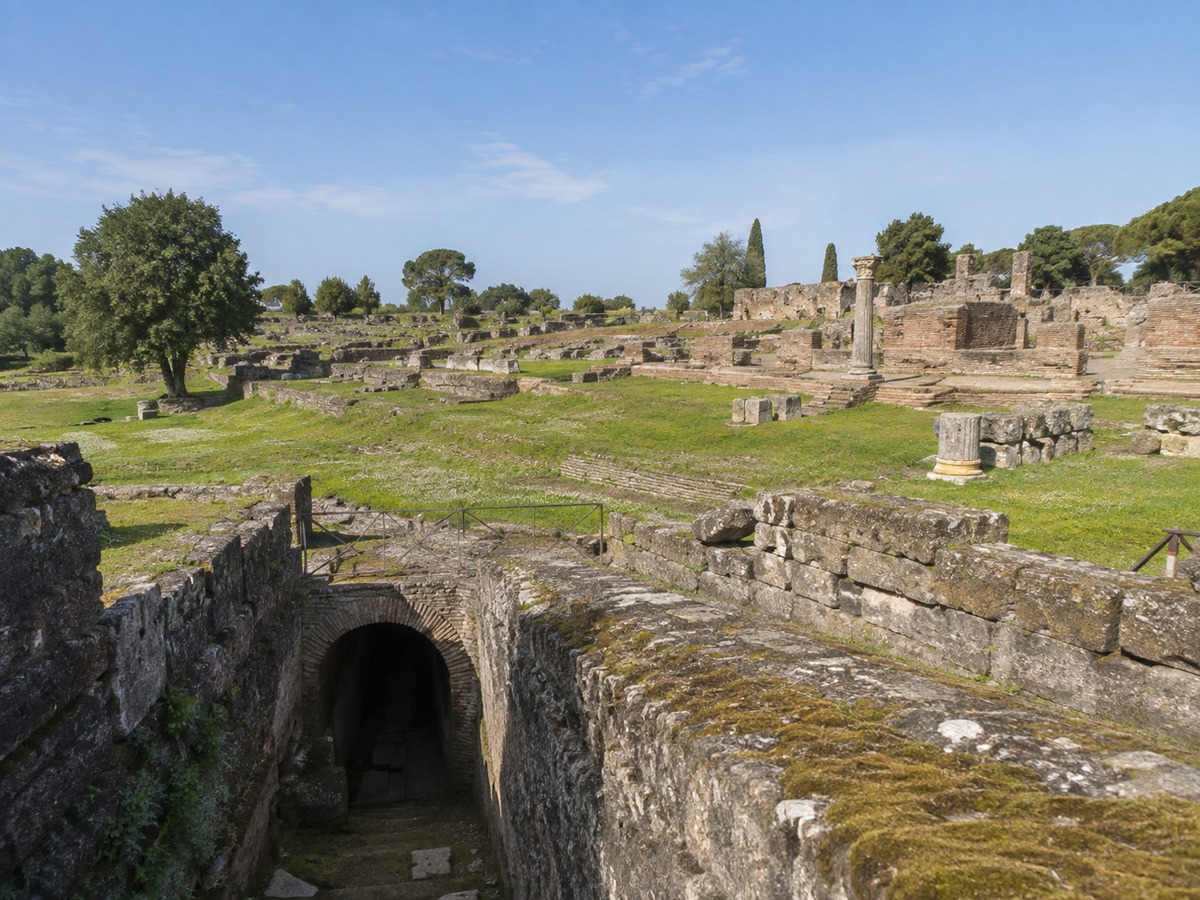
Vulci beyond the necropolises: the Etruscan city and its cryptoporticus
More than tombs: the Vulci plateau preserves streets, buildings and remains of the great Etruscan and Roman city overlooking the Fiora valley.
Read more →
Castel d'Asso rock-cut necropolis: cube tombs carved into the tuff
A few minutes from Viterbo, one of the quietest and most evocative Etruscan necropolises in Tuscia.
Read more →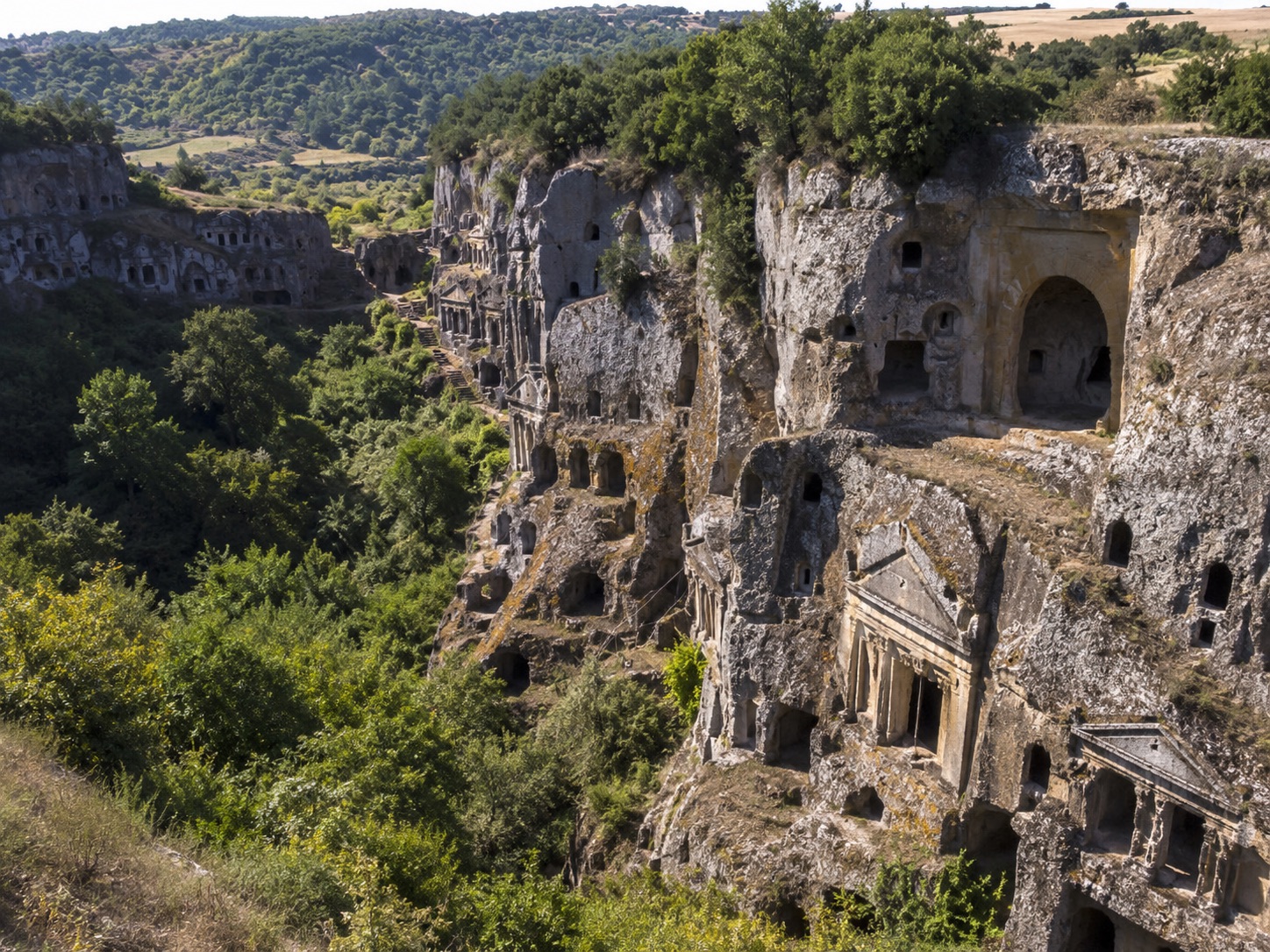
Norchia necropolis: thousands of rock-cut tombs among the most important in the Etruscan world
A spectacular, uncrowded site, with cube and half-cube facades carved along an entire valley.
Read more →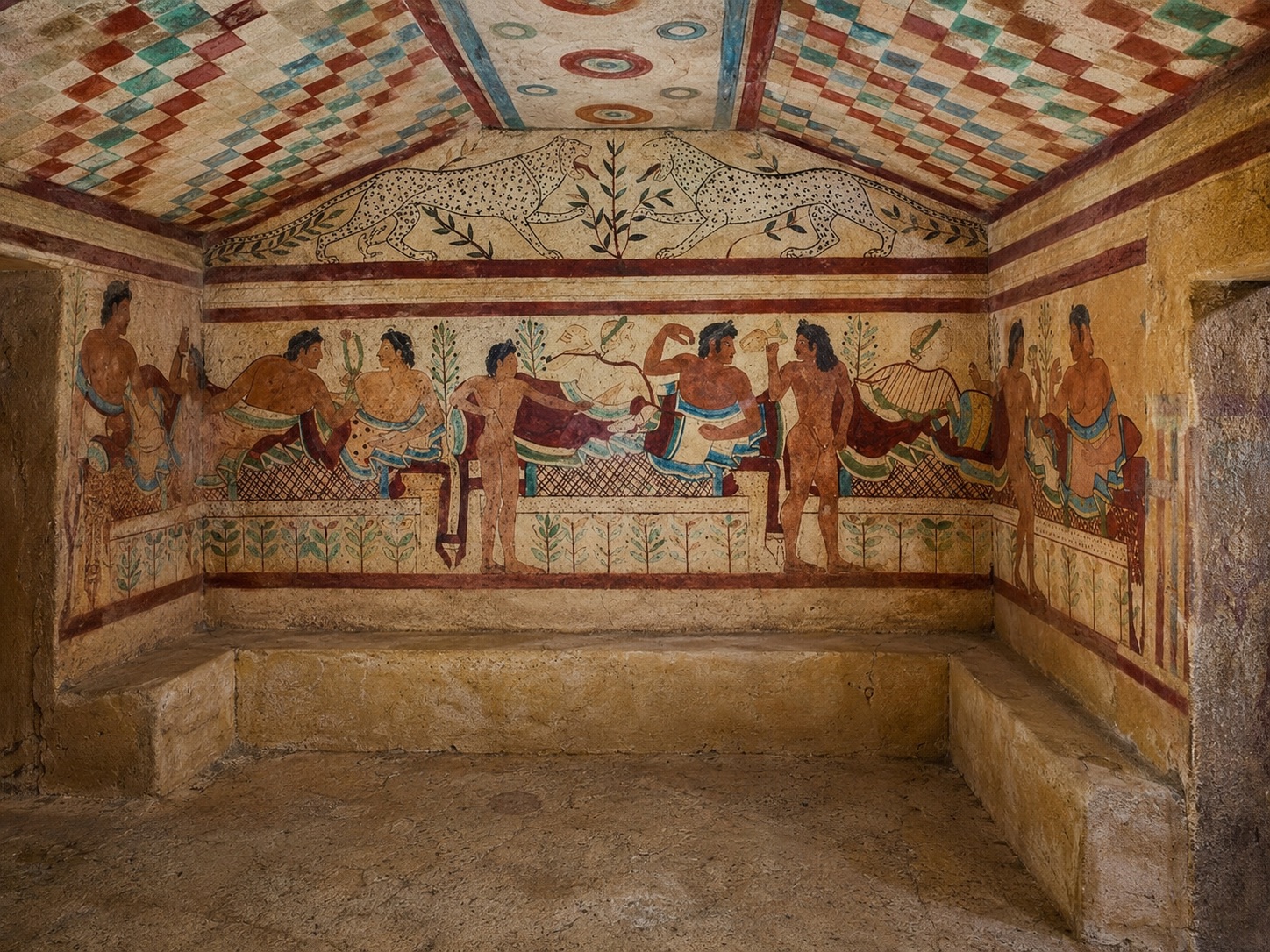
Tarquinia and the Monterozzi necropolis: the frescoed Etruscan tombs
A Unesco World Heritage site: hundreds of painted tombs among the most important pictorial records of the ancient world.
Read more →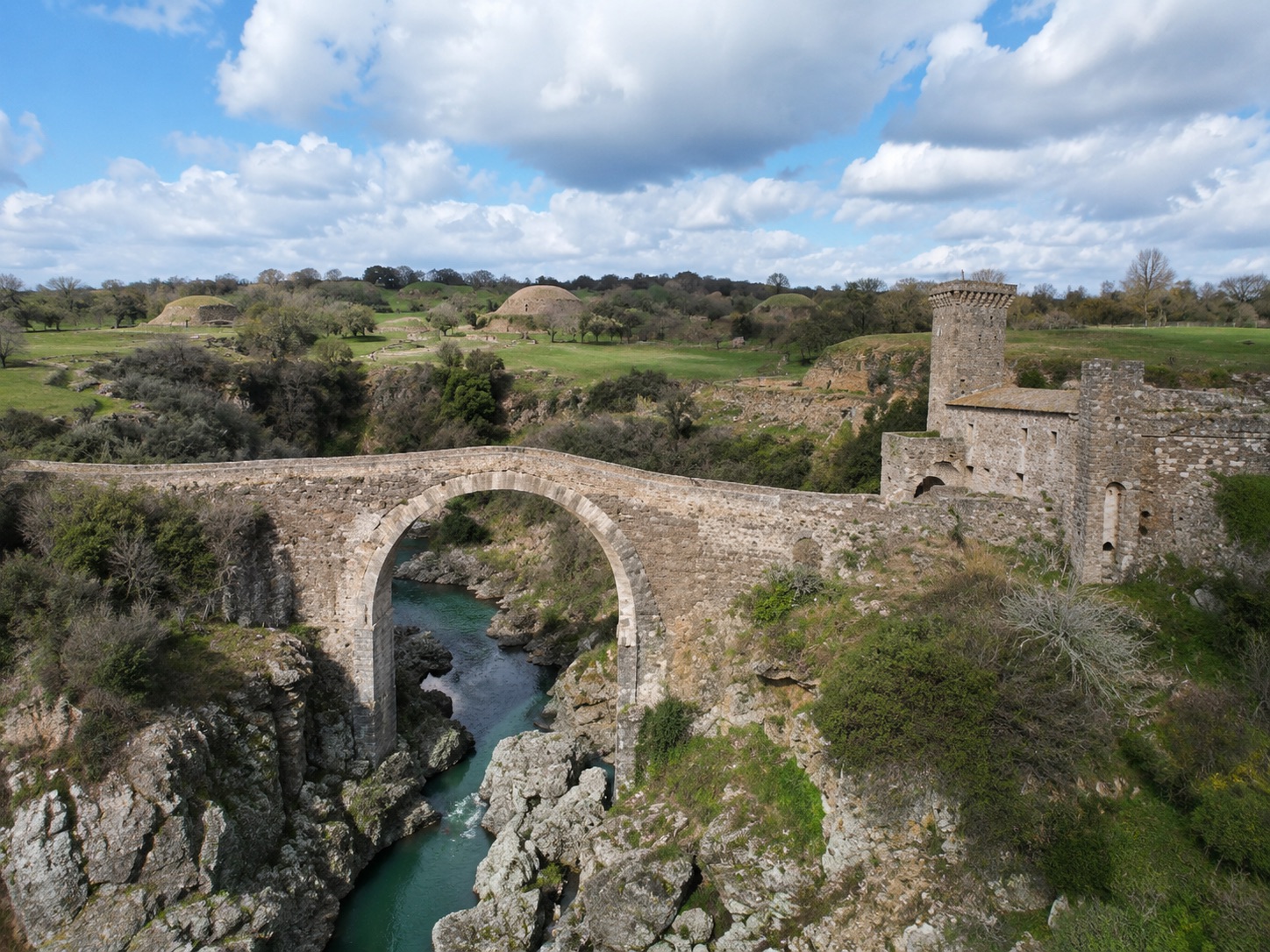
Vulci: 30,000 tombs and the Devil's Bridge over the Fiora river
One of the greatest Etruscan cities that ever existed, today a sweeping archaeological park along the Fiora river.
Read more →