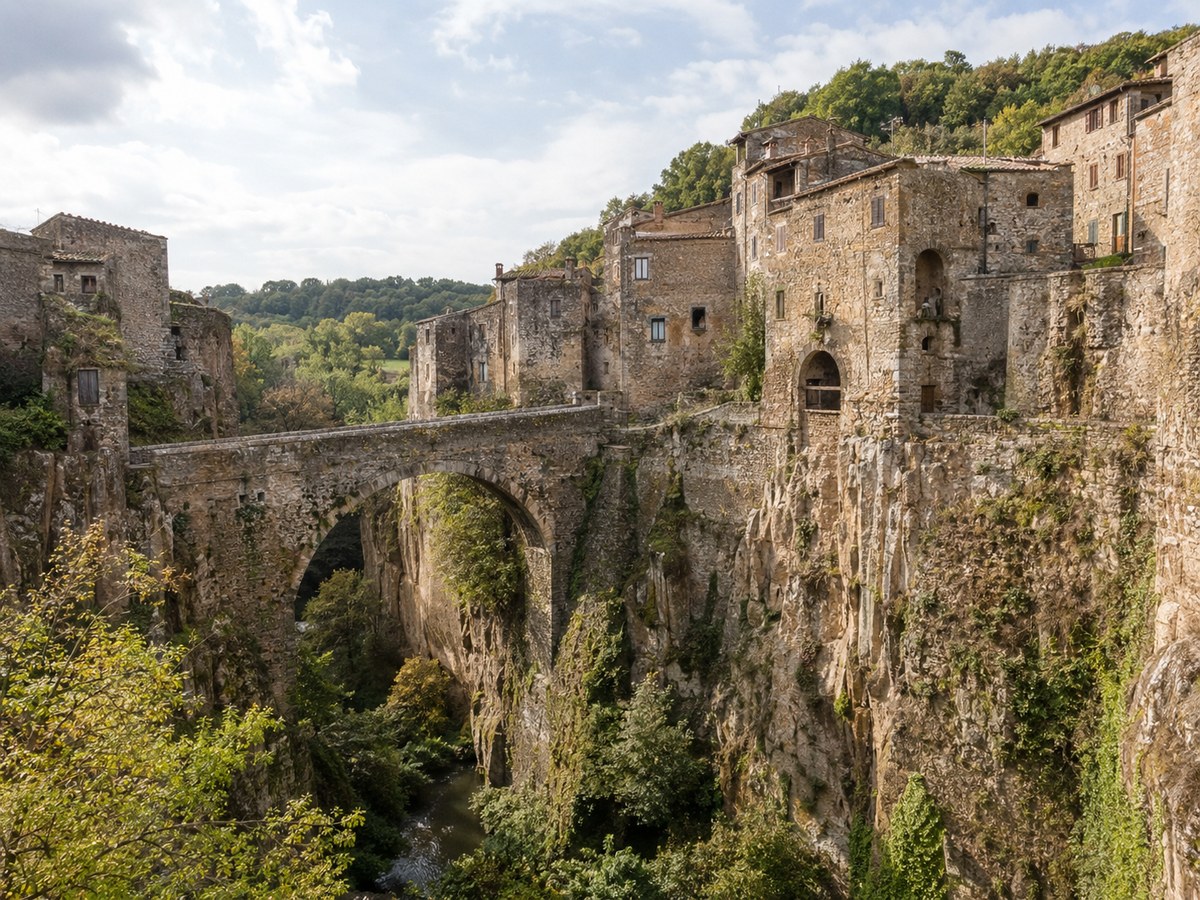
San Giovenale lies in the territory of Blera, on a plateau naturally protected by the deep gorges of the Vesca and Pitale streams. The site includes the remains of an Etruscan settlement, surrounding necropolises and medieval traces, including the ruins of Castello Di Vico. Between the late 1950s and the 1960s, the site was the subject of major excavation campaigns by the Swedish Institute of Classical Studies in Rome, which decisively advanced knowledge of Etruscan settlements in inland southern Etruria.
A village, not just tombs
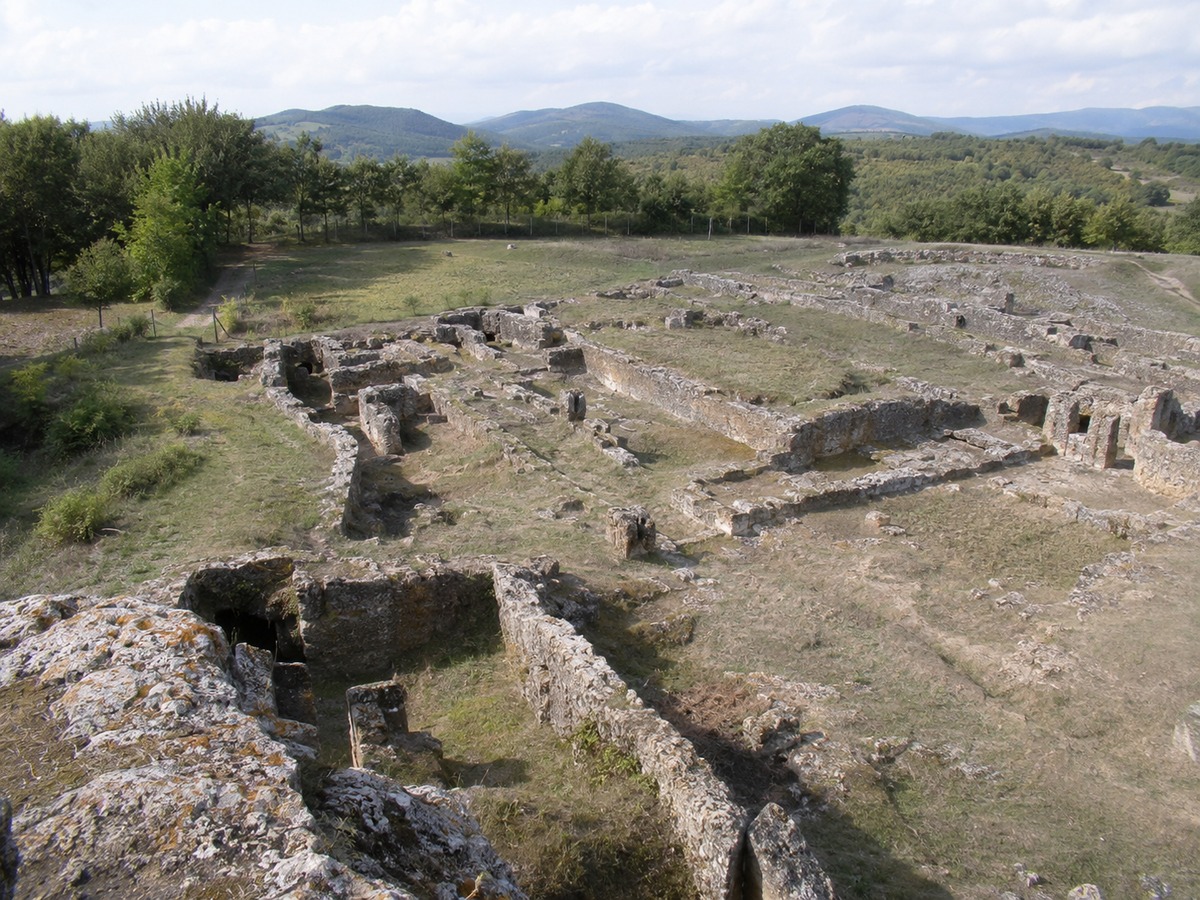
The excavations uncovered domestic structures and parts of the settlement's layout. Together with Acquarossa, San Giovenale helped shift archaeologists' focus away from the famous necropolises and toward houses and everyday spaces. The plateau, naturally defended by ravines and a ditch on its most accessible side, occupies a strategic position in the territory.
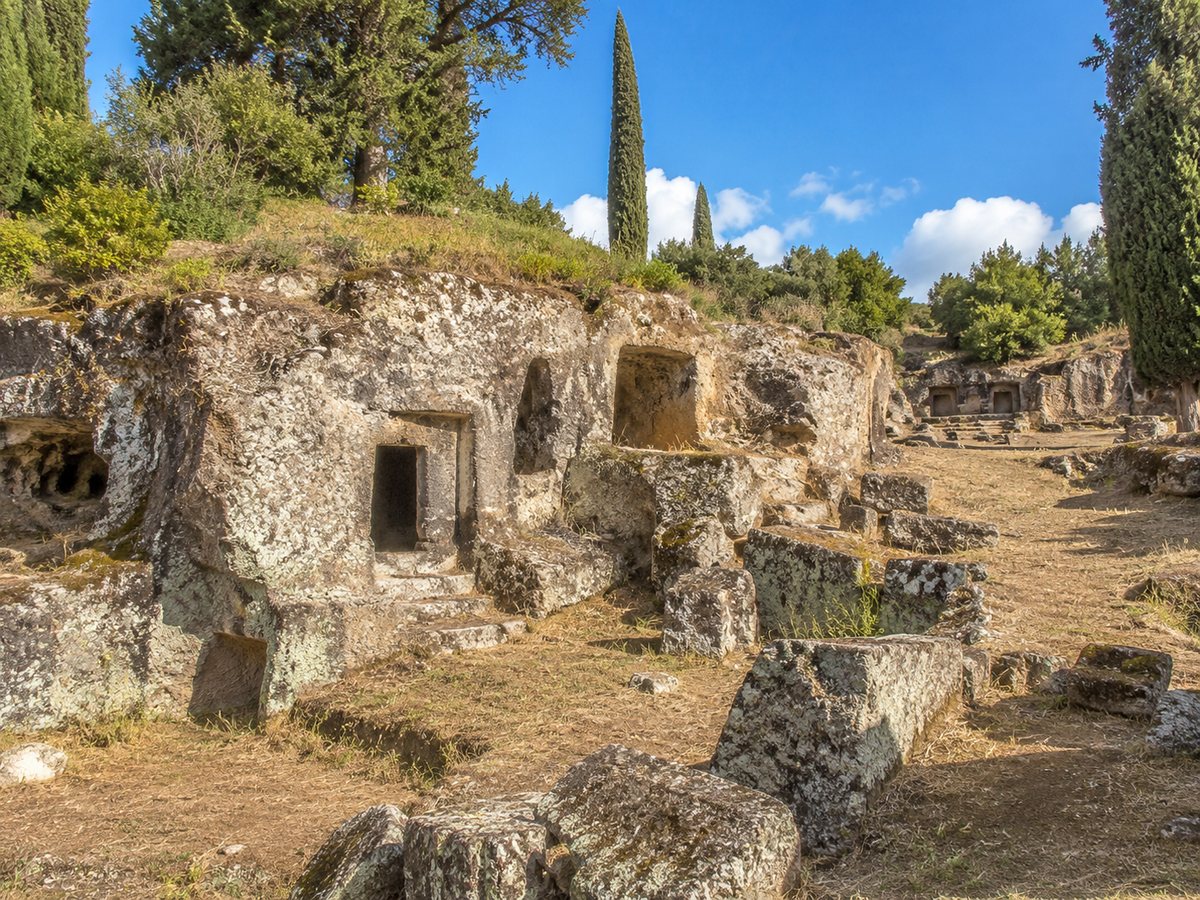
The necropolises around the plateau
The funerary system here is extensive. The Ministry of Culture particularly notes Casale Vignale, with tombs dating from the last quarter of the 7th century to the 3rd century BC, along with Porzarago, Grotta Tufarina and Castellina Cammerata. Tumuli, cube tombs and other types again show cultural ties to Cerveteri.
From the Etruscans to the Middle Ages
Medieval remains sit above and alongside the ancient structures. The site's current name comes from the church dedicated to San Giovenale, while a castle later occupied part of the fortified area.